Sofa Sagging Solutions
Sofa sagging can be caused by worn out padding or springs and can be fixed by replacing them.
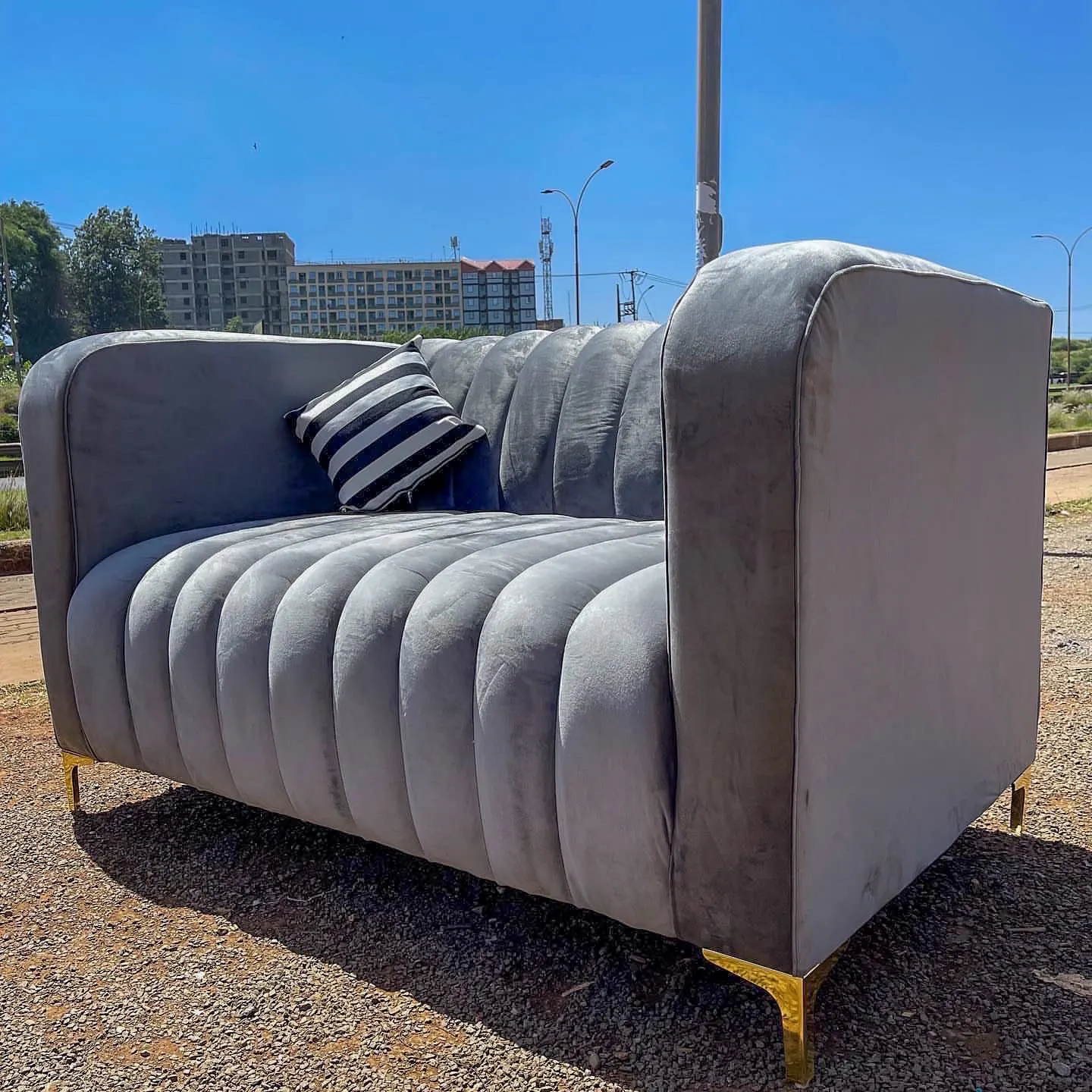
Sagging of a sofa is often due to the compression of its padding, which can be made from materials like foam, down, or feathers, over time. A sofa consists of a frame, springs, padding, and a covering, as described on Wikipedia. The frame and springs also play a role in the overall structure of the sofa. This compression can cause the sofa to lose its shape.
Why is My Sofa Sagging?
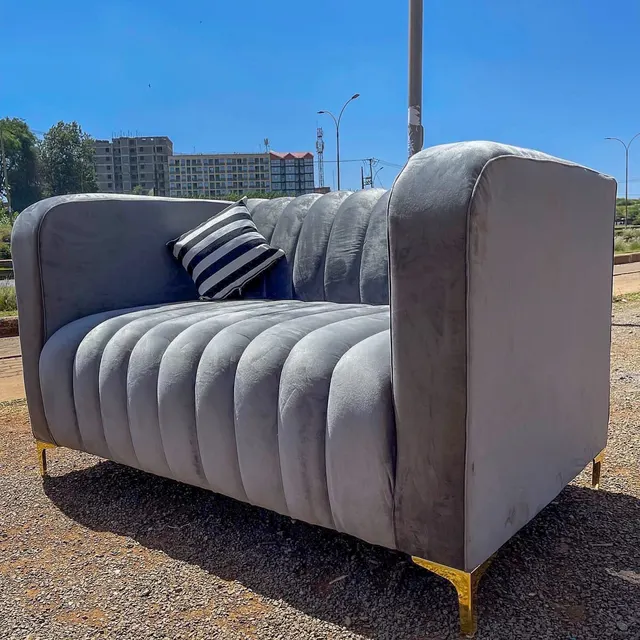
A sagging sofa can be caused by worn out springs, flat padding, or a broken frame. The frame, usually made of wood, but can also be made of steel, plastic or laminated boards (Wikipedia), is the foundation of the sofa, and any damage to it can lead to sagging. Additionally, the padding, made from materials such as foam, down, or feathers (Wikipedia), can lose its shape and support over time, causing the sofa to sag. If you’re experiencing this issue in your Kenyan home, consider checking the condition of your sofa’s frame and padding, or explore alternatives like a sturdy Chesterfield sofa for Kenyan homes that can provide better support and durability.
Step-by-Step Guide to Fixing a Sagging Sofa
To fix a sagging sofa, start by inspecting the frame, which is usually made of wood, but can also be made of steel, plastic or laminated boards (Wikipedia). Check for any cracks or damage that may be causing the sag. Look for signs of wear and tear, such as scratches or dents, and check if the frame is still sturdy. Next, inspect the springs, which are a crucial part of the sofa’s structure. If the springs are broken or worn out, they may need to be replaced.
When replacing the springs, consider the type of padding used in the sofa, such as foam, down, feathers, fabric or a combination thereof (Wikipedia). Re-padding the cushions may also be necessary to restore the sofa’s original shape and comfort. For example, you can use high-density foam or memory foam, which are commonly used in sofa cushions.
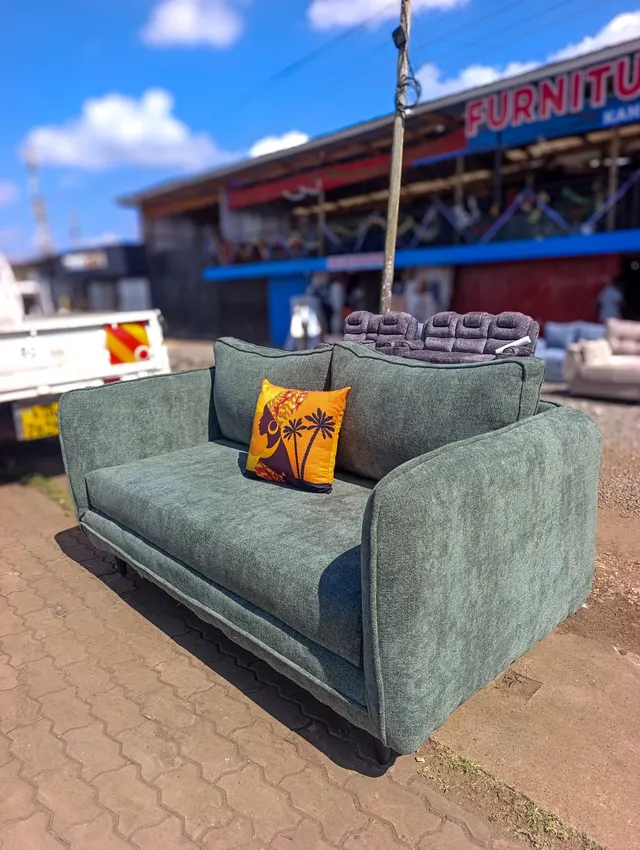
It’s also essential to consider the size and design of the sofa in relation to the room it’s in. For instance, a compact sofa like our Compact Olive Green 2-Seater Couch, priced at KSh 28,000, may be suitable for smaller rooms. On the other hand, a larger sofa like our Luxury Grey 5-Seater Living Room Sofa Set, priced at KSh 75,000, may be more suitable for bigger rooms.
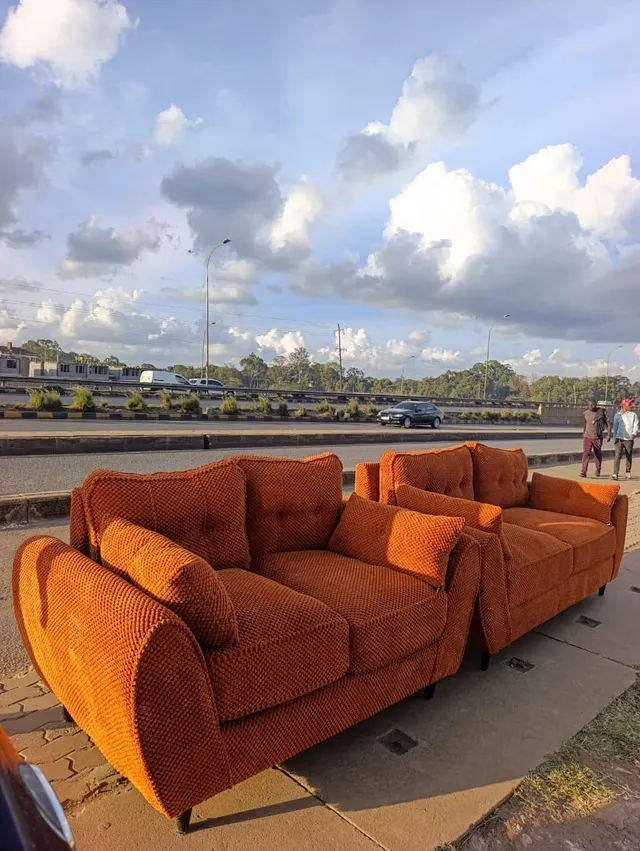
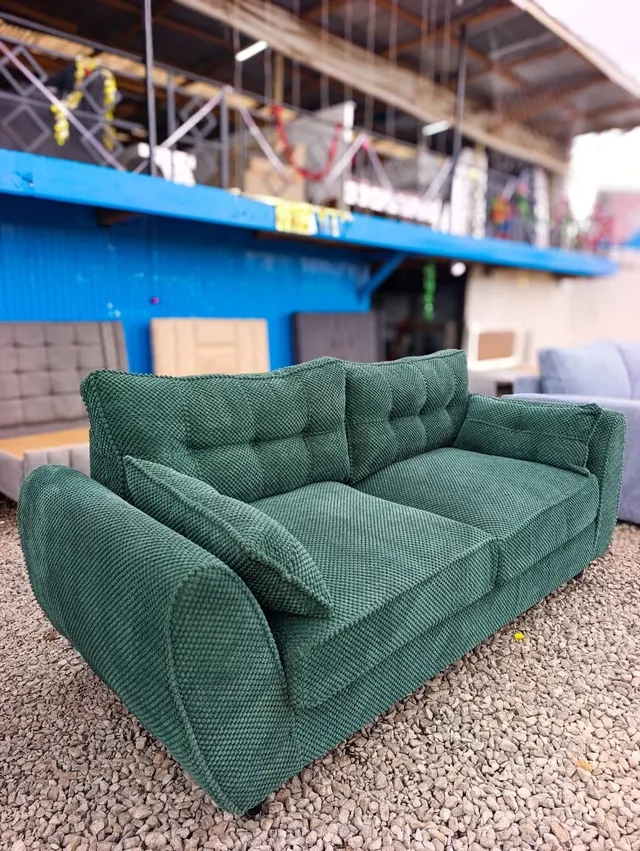
If you’re not comfortable with DIY repairs or if the damage is extensive, it may be best to consult a professional upholsterer. Alternatively, you can consider replacing the sofa altogether. We offer a range of sofas in different designs and sizes, including our popular 2-Seater and 5-Seater options, which can be found in our [Sofas](our Sofas) category, with prices ranging from KSh 25,000 to KSh 135,000. By following these steps, you can fix your sagging sofa and restore it to its original comfort and appearance.
Our view: a sagging sofa is often a sign of worn out padding or a weak frame, which can be fixed by replacing the padding or reinforcing the frame, depending on the underlying cause.
Tips for Maintaining Your Sofa
To prevent sofa sagging in the future, it is essential to maintain your sofa properly. Rotating cushions regularly can help distribute the weight evenly and prevent uneven wear. Additionally, using sofa supports can provide extra stability and prevent the sofa from sinking. It is also crucial to avoid overloading the sofa, as this can put excessive strain on the frame and springs. When purchasing a sofa, consider the type of padding used, such as polyurethane foam (Wikipedia), which can provide adequate support and comfort. In a Kenyan home, it is also important to consider the colour of the sofa, as some colours can hide dirt and stains better than others, as discussed in our article Sofa colour hides dirt best in Kenya. Regularly checking the sofa’s frame and springs for any signs of damage or wear can also help prevent sagging. By taking these steps, you can help extend the life of your sofa and prevent sagging. Furthermore, understanding the materials used in upholstery (Wikipedia) can also help you make informed decisions when maintaining and repairing your sofa.
When to Call a Professional
If your sofa’s frame is damaged or its springs are broken, it’s best to hire a professional upholsterer to fix it, as they can assess the damage and provide a suitable solution. A professional can also help if the sofa’s padding, made from materials like foam, down, or feathers (Wikipedia), is worn out and needs replacement. Before calling a professional, check your sofa’s condition and consider factors like the cost of repair versus replacement, especially if you use your sofa frequently, such as for nightly sleeping comfort, as discussed in our article on Sofa beds for nightly sleeping comfort. Ask the upholsterer about their experience and the materials they will use to ensure a durable and comfortable fix for your sofa.
Questions to ask before you pay
To address a sagging sofa, identify the cause of the problem. Ask the seller or fundi to check the frame, which is usually made of wood, but can also be made of steel, plastic or laminated boards (Wikipedia). A weak frame can cause the sofa to sag, so check if it is sturdy and well-constructed. Inquire about the type of padding used, as sofa padding is made from foam, down, feathers, fabric or a combination thereof (Wikipedia).
In Kenyan homes, sofas are often used extensively, leading to wear and tear. The seller or fundi should be asked if the sofa’s padding has been compressed or shifted, causing the sagging. Check the cushions and ask if they can be replaced or re-stuffed. The type of fabric or leather used is also a factor, as some materials may be more prone to sagging than others.
Ask about the maintenance and upkeep of the sofa, including how to clean and care for it. Inquire about any warranties or guarantees offered by the seller, and what is covered in case the sofa continues to sag. Asking these questions helps to understand the cause of the problem and find a solution to fix the sagging sofa. Bobby Furniture Kenya does not offer a repair service for existing sofas, so a sagging sofa may need to be replaced with a new one.
FAQ
What are the most common causes of sofa sagging?
A sofa consists of a frame, springs, padding, and a covering, and sagging can occur due to wear and tear on these components, particularly the springs and padding. The frame is usually made of wood, but can also be made of steel, plastic or laminated boards, and a weak frame can contribute to sagging. Sofa padding is made from foam, down, feathers, fabric or a combination thereof, and can lose its shape over time.
Can I fix a sagging sofa on my own?
Traditional upholstery uses materials like coil springs, animal hair, coir, straw and hay, hessians, linen scrims, wadding, etc, and replacing these materials can be a complex process. Upholstery is the work of providing furniture, especially seats, with padding, springs, webbing, and fabric or leather covers, which may require professional expertise to fix.
How often should I rotate my sofa cushions?
A cushion is a soft bag of some ornamental material, usually stuffed with wool, hair, feathers, polyester staple fiber, non-woven material, cotton, or even paper torn into fragments, and rotating them can help maintain their shape. However, the frequency of rotation is not specified. Polyurethane foams are primarily used for thermal insulation and as a cushioning material in mattresses, upholstered furniture or as seating in vehicles, and may retain their shape longer than other materials.
What type of padding is best for my sofa?
Sofa padding is made from foam, down, feathers, fabric or a combination thereof, and the best type of padding depends on personal preference and intended use. High-density foam and memory foam are options available at Bobby Furniture Kenya, and polyurethane foam is a solid polymeric foam based on polyurethane chemistry. Flexible polyurethane foams have an open-cell structure where the pores are interconnected, smaller in size and irregularly shaped.
Can I use a sofa support to prevent sagging?
A sofa support can be used to prevent sagging by providing additional structural integrity to the sofa. However, the effectiveness of a sofa support depends on the type of sofa and the cause of the sagging, and may not be a suitable solution for all types of sofas. Bobby Furniture Kenya offers custom pieces made from a customer's photo, Pinterest or Instagram design, in their size, fabric and colour, which can be designed with support in mind.