Termites protection for wooden furniture
Protect wooden furniture from termites and borers with varnish or polyurethane coatings.
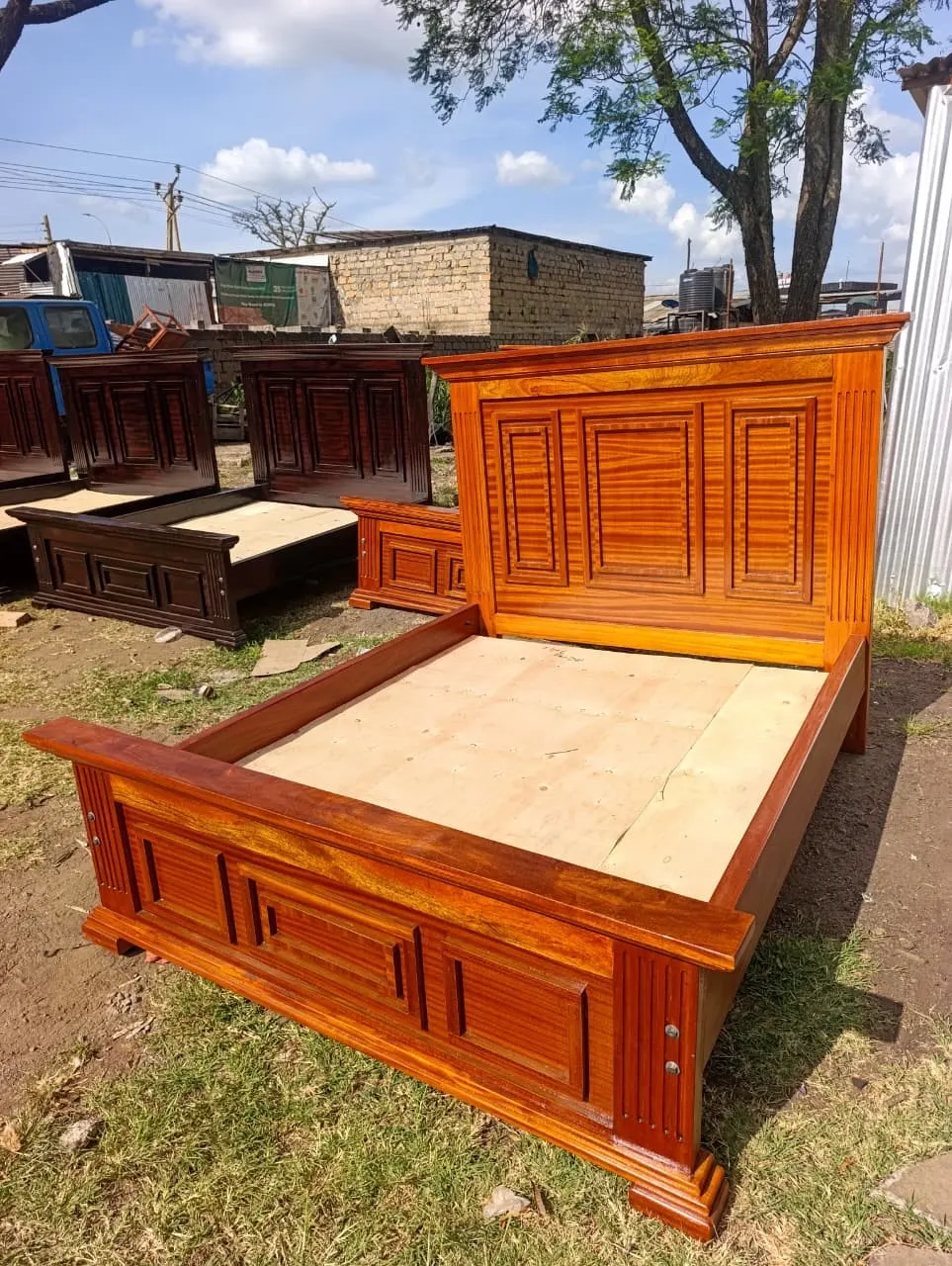
Protecting wooden furniture from termites and borers can be achieved through the use of varnishes and polyurethane coatings. Varnish, a clear transparent hard protective coating, can help shield the wood from damage. According to Wikipedia, varnish is traditionally a combination of a drying oil, a resin, and a thinner or solvent. This coating can be applied to the wood to provide protection.
Introduction to Termite and Borer Damage
Termites consume decaying plant material, including wood, leaf litter, and soil humus (Wikipedia). This leads to significant damage to wood furniture in Kenyan homes. The type of wood used is crucial, as some are more susceptible to termite and borer damage than others. Mvule vs Mahogany vs Cypress: Which Wood Is Best for Furniture in Kenya? provides information to help make an informed decision. Regular checks for signs of damage, such as holes or discoloration, are necessary. Furniture makers can also provide information on protection methods used to prevent infestations, which can inform your purchasing decisions.
Methods for Protecting Wooden Furniture
Applying a varnish, a clear transparent hard protective coating or film, usually used as a wood finish where the distinctive tones and grains in the wood are intended to be visible (Wikipedia), helps prevent termite and borer infestations. Polyurethane coatings also provide a protective layer against these pests (Wikipedia). Regular maintenance and inspection of the furniture are crucial in preventing infestations, allowing for early detection of any damage.
The type of wood used is a critical factor to consider when purchasing wooden furniture, as some types are more susceptible to termite and borer damage than others. Solid wood furniture, for example, may be more durable than MDF furniture, as discussed in Solid wood vs MDF furniture in Kenya. Asking about the type of wood used and the finishes applied when buying furniture is essential.
In Kenyan homes, checking for signs of termite or borer damage, such as small holes or tunnels in the wood, is vital. Ensuring the furniture is not in contact with soil or moisture is also necessary. Regular checks can help identify potential issues before they become major problems. Our range of wooden furniture, including [our range](our Wooden Beds), is made from high-quality wood and designed to withstand the test of time. By taking these precautions and using the right protective methods, wooden furniture can remain in good condition for years to come.
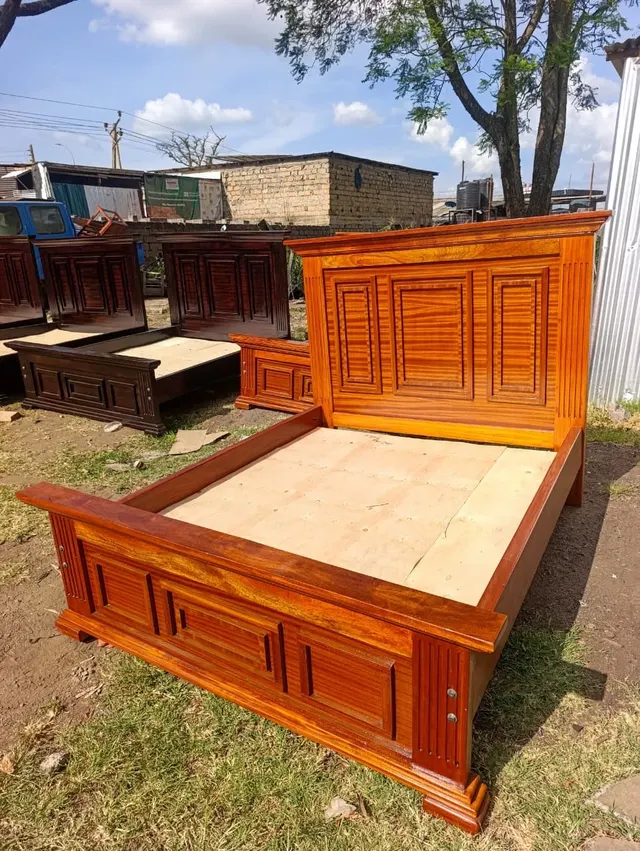
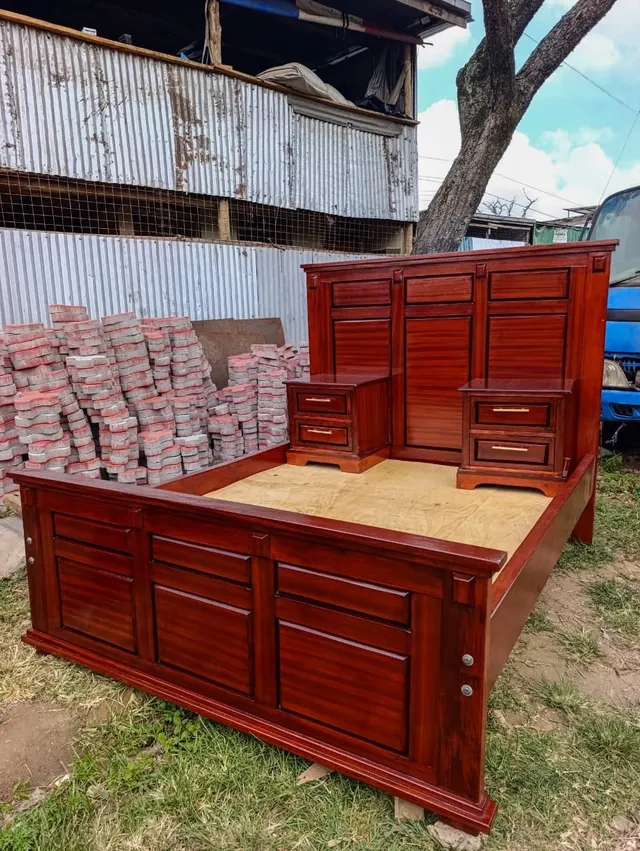
Our view: applying a clear protective coating such as varnish, a combination of a drying oil, a resin, and a thinner or solvent, helps protect wooden furniture from termites and borers, as seen with our wooden beds made from solid hardwood, available from KSh 30,000 to KSh 65,000.
Applying Protective Coatings
To protect your wooden furniture from damage, applying a protective coating is a crucial step. Before applying varnish or polyurethane, ensure the wood surface is clean and dry. Varnish is a clear transparent hard protective coating or film, usually used as a wood finish where the distinctive tones and grains in the wood are intended to be visible (Wikipedia). Apply the coating according to the manufacturer’s instructions, taking note of the recommended drying time. The drying and curing time of varnishes may be sped up by exposure to an energy source such as sunlight, ultraviolet light, or heat (Wikipedia). In a Kenyan home, it’s essential to consider the high temperatures and humidity, which can affect the drying time. If you’re unsure about the best coating for your furniture, consider consulting a professional. For example, if you’re deciding whether to reupholster or replace your sofa, you may want to read our guide on Reupholster or Buy New Sofa to help you make an informed decision. Regularly inspecting your furniture and applying a protective coating can help prevent damage and extend its lifespan.
Common Mistakes to Avoid
When protecting wooden furniture from termites and borers, people often fail to properly apply varnishes and polyurethane coatings, which can provide some protection (Wikipedia). It is essential to follow the manufacturer’s instructions and ensure the coating is fully dry before using the furniture. Additionally, regular maintenance and inspection of the furniture can help prevent infestations. Homeowners should check for signs of termite and borer damage, such as small holes or tunnels in the wood. For those new to Nairobi, understanding how to care for wooden furniture is crucial, as outlined in How to Furnish an Apartment in Nairobi: A Guide for Expats and Newcomers (2026).
Maintenance and Inspection
Regular maintenance and inspection of your wooden furniture are crucial in preventing termite and borer infestations. Check for small holes or tunnels on the surface of the wood, as well as any discoloration or weakening of the wood, to identify signs of damage. Termites consume decaying plant material, including wood, leaf litter, and soil humus (Wikipedia). In Kenya, regular inspections are essential, particularly in areas prone to termite infestations. Inspect your furniture for signs of termite or borer activity, such as frass or mud tubes. If unsure about the type of wood used or how to maintain it, ask your manufacturer or supplier for guidance. For instance, if considering a Chesterfield sofa for Kenyan homes, inquire about the type of wood used and how to protect it from termites and borers. Catching potential issues early prevents costly repairs and ensures your furniture lasts for years to come. Regular checks can help identify problems before they become serious.
Questions to ask before you pay
Before paying for your wooden furniture, ask the seller or fundi about the type of wood used and its susceptibility to termite and borer damage. Inquire about the finish or coating applied to the wood, such as varnish, which can provide a level of protection (Wikipedia). The composition of the varnish, including a drying oil, a resin, and a thinner or solvent, affects its durability.
Check if the furniture has been treated with chemicals or sealants to prevent termite and borer infestations. Ask about maintenance requirements and how often the furniture should be inspected for signs of damage. Regular checks for termite and borer activity are crucial in Kenyan homes, especially in areas prone to moisture.
Ask about the warranty or guarantee provided by the seller, including what is covered and for how long. A 6-month warranty can provide assurance against termite and borer damage. Inquire about the delivery and installation process, and if the seller offers after-sales services, such as repair or replacement of damaged parts. Asking these questions ensures your wooden furniture is protected against termite and borer damage and will last. Termites consume decaying plant material, including wood, leaf litter, and soil humus, so preventive measures are vital (Wikipedia).
Bobby Furniture Kenya does not provide a treatment or coating service to protect wooden furniture from termites and borers, so customers must arrange this themselves. This means customers are responsible for taking preventive measures to protect their furniture.
FAQ
What are the most effective methods for protecting wooden furniture from termites and borers?
Varnish is a clear transparent hard protective coating that can be used to protect wooden furniture, and it is traditionally a combination of a drying oil, a resin, and a thinner or solvent. Polyurethane is another option, a class of polymers composed of organic units joined by carbamate links. Applying these coatings can help protect the wood.
Can I use DIY methods to protect my wooden furniture?
Drying oils, such as linseed oil, tung oil, and walnut oil, can be used as a DIY method to protect wooden furniture, as they cure through an exothermic reaction between the polyunsaturated portion of the oil and oxygen from the air. Varnish can also be applied as a DIY method, and its drying and curing time may be sped up by exposure to an energy source such as sunlight or heat.
How often should I inspect my wooden furniture for signs of termite and borer damage?
Regular inspection of wooden furniture is necessary to detect signs of termite and borer damage, but the frequency of inspection is not specified. Termites consume decaying plant material, including wood, so it is essential to check for damage regularly. Inspection can help prevent infestations.
Are there any environmental or health concerns associated with using chemicals to protect against termites and borers?
The use of chemicals to protect against termites and borers may have environmental and health concerns, but specific concerns are not detailed. Varnish is a combination of a drying oil, a resin, and a thinner or solvent, which may have environmental and health implications. Polyurethane production accounted for about 6% of all polymers produced in 2019.