Mahogany furniture authenticity
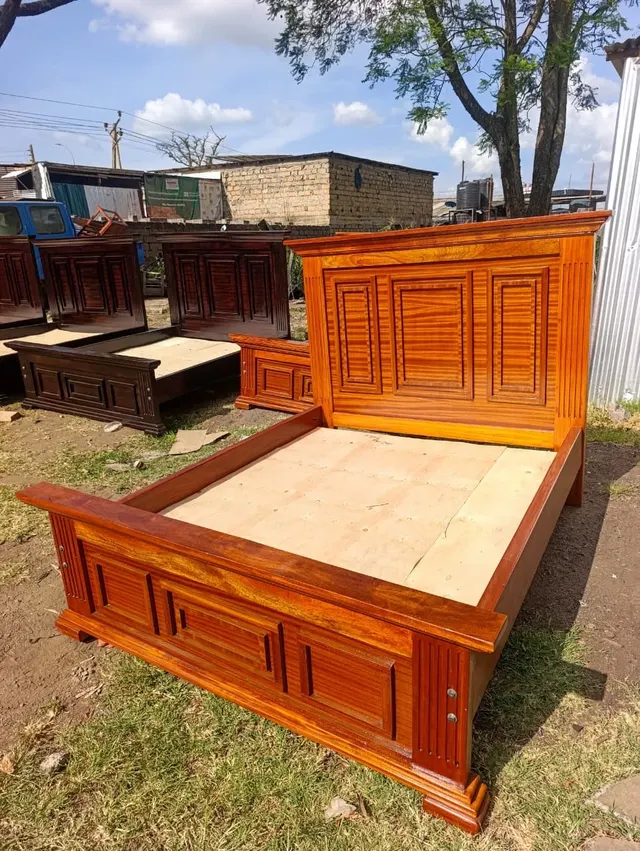
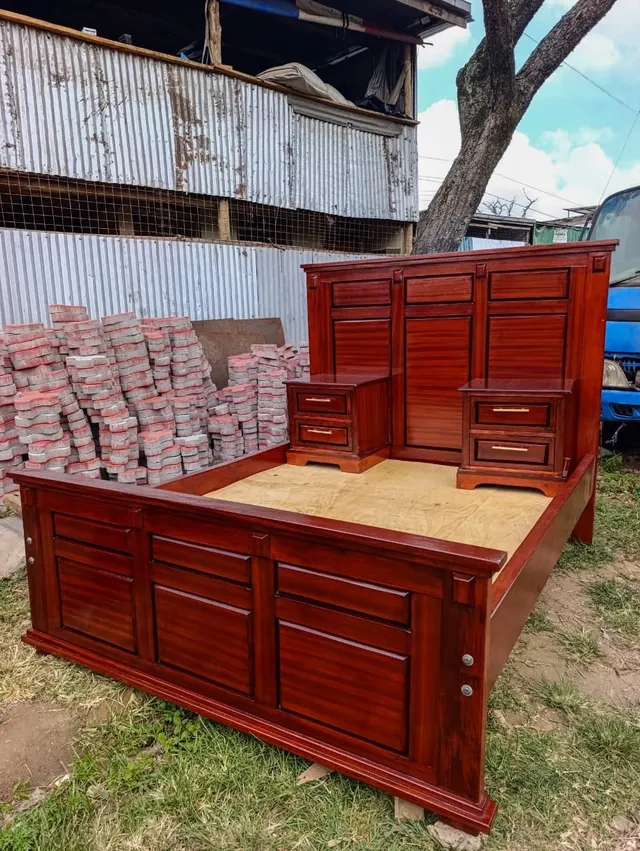
Bobby Furniture Kenya offers genuine mahogany and mvule wood options for custom furniture pieces.
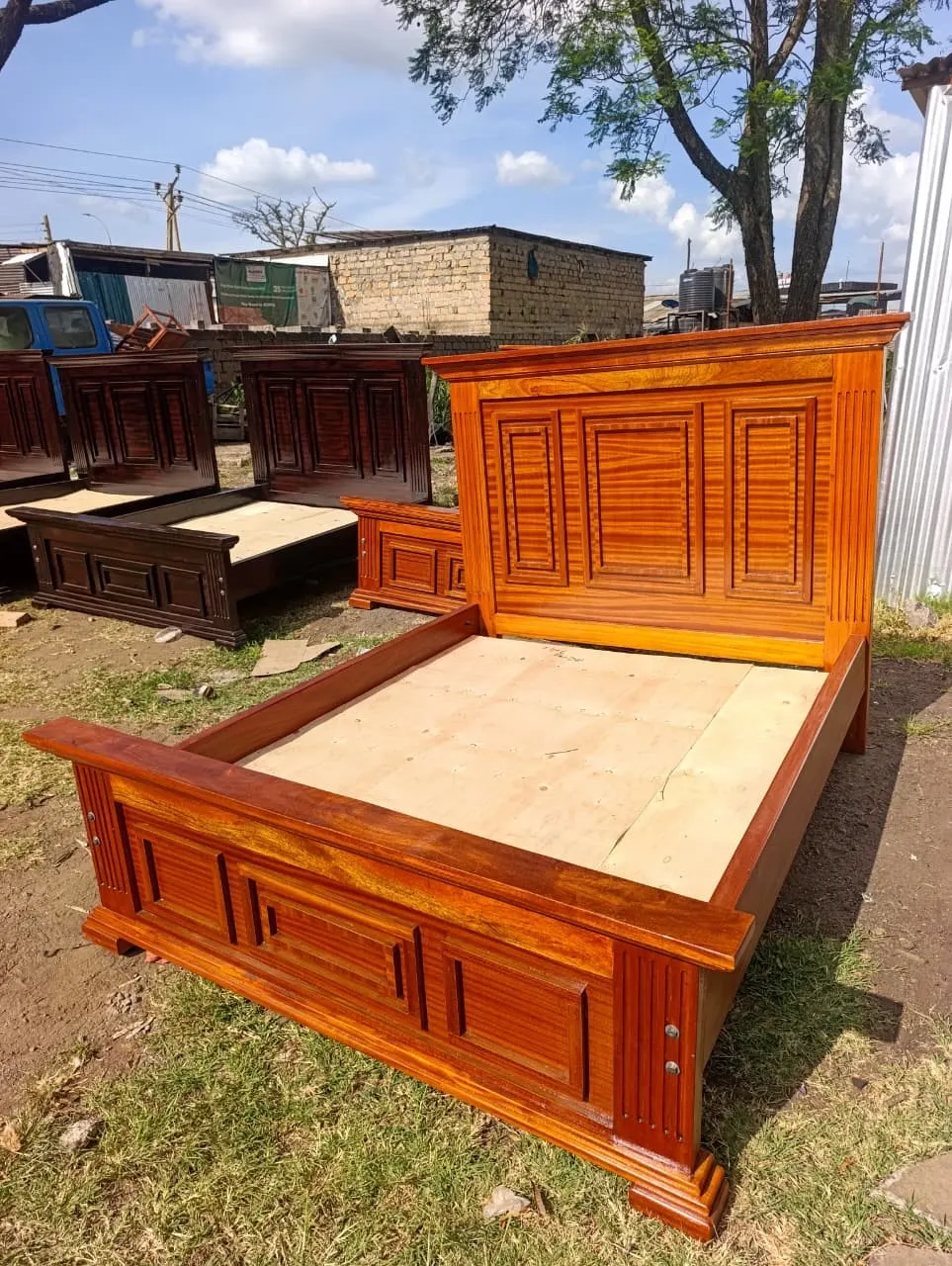
Mvule and mahogany can be identified by their distinct characteristics. Mvule is a type of wood that comes from the Milicia excelsa tree, native to tropical Central Africa. Mahogany is a straight-grained, reddish-brown timber produced by three tropical hardwood species of the genus Swietenia. Their densities also vary, with mahogany ranging from 500–850 kg/m³.
Introduction to Mahogany and Mvule
Mahogany and mvule are two types of wood commonly used in furniture making, with mahogany being a straight‑grained, reddish‑brown timber produced by three tropical hardwood species of the genus Swietenia, native to the Americas (Wikipedia). Mvule, on the other hand, comes from the Milicia excelsa tree, native to tropical Central Africa (Wikipedia). Both woods are highly valued for their durability and resistance to rot and insect damage, making them popular choices for furniture. To determine which wood is best for your Kenyan home, consider reading Mvule vs Mahogany vs Cypress: Which Wood Is Best for Furniture in Kenya? to make an informed decision.
Step-by-Step Identification Guide
To identify mahogany and mvule, examine the wood grain. Mahogany typically has a straight grain, while mvule has a more interlocked grain. The color of the wood is also a distinguishing factor, with mahogany known for its reddish-brown hue, and mvule ranging from a light to dark brown color. The density of the wood is another important factor, with mahogany ranging from 500–850 kg/m³, depending on the species (Wikipedia).
Purchasing wooden furniture requires asking the seller about the type of wood used and whether it’s sustainably sourced. Look for certifications or labels from reputable organizations that ensure the wood is harvested responsibly. This is particularly important in Kenya, where deforestation is a concern. As discussed in Solid wood vs MDF furniture in Kenya, choosing solid wood furniture made from sustainably sourced materials can have a significant impact on the environment.
The furniture’s construction and finish are also crucial. Well-made furniture with a smooth finish is more likely to be made from high-quality wood. Ask the seller about the furniture’s durability and maintenance requirements. Mvule is highly valued for its durability and resistance to rot and insect damage, making it a popular choice for furniture-making (Wikipedia).
Visiting a reputable seller, such as [our range](our Wooden Beds), allows you to see the furniture in person and ask questions about the materials and construction. By examining the wood and asking questions, you can ensure that you’re getting high-quality, sustainably sourced furniture for your Kenyan home.
Our view: to determine if furniture is really mahogany or mvule, consider the wood’s density, with mahogany ranging from 500–850 kg/m³, and its appearance, as mvule is highly valued for its durability and resistance to rot and insect damage, as described on Wikipedia and Wikipedia.
Common Mistakes in Wood Identification
Mahogany and mvule are often confused with other types of wood, such as false mvule, which comes from the Antiaris toxicaria tree (Wikipedia). Incomplete information or lack of knowledge about the different types of wood can lead to this mistake. Checking the density of the wood is crucial, as mahogany’s density varies by species, ranging from 500–850 kg/m³ (Wikipedia). Purchasers should ask sellers about the type of wood used and its origin. Reputable sellers can provide this information. For instance, Bobby Furniture Kenya offers frame wood options including mvule and mahogany, and provides product information, such as the Solid Hardwood Panel Bed Frame made from solid hardwood, priced at KSh 55,000. Genuine mahogany or mvule can significantly impact the durability and quality of furniture in a Kenyan home. Factors to consider when purchasing furniture include the frame, foam, fabric, and finish, in addition to the type of wood. By asking the right questions and being informed, purchasers can make better decisions when buying furniture, whether a wooden bed or a sofa, which can be delivered to their location with a 6-month warranty and a 48-hour delivery check.
Additional Tips for Buyers
To ensure you are purchasing genuine mahogany or mvule furniture, research the seller and read reviews from previous customers. Check if the seller provides information about the type of wood used and its origin. Ask about the density of the wood, for example, mahogany density can range from 500–850 kg/m³ (Wikipedia). When buying furniture for your Kenyan home, consider factors that affect its durability, such as resistance to rot and insect damage, which mvule is known for (Wikipedia). For more tips on furnishing your home, including an Airbnb, see How to Furnish an Airbnb in Nairobi: Checklist and Furniture Tips (2026).
Questions to ask before you pay
To verify the authenticity of mahogany or mvule furniture, ask the seller or fundi about the wood’s density, as this can be an indicator of its type. For instance, mahogany’s density varies by species, ranging from 500–850 kg/m³ (Wikipedia). Check the furniture’s weight and inspect its grain pattern, as mahogany typically has a straight-grained, reddish-brown appearance. Mvule, on the other hand, comes from the Milicia excelsa tree, native to tropical Central Africa, and is highly valued for its durability and resistance to rot and insect damage (Wikipedia).
In a Kenyan home, furniture made from genuine mahogany or mvule can withstand the country’s climate and last for many years. Ask the seller if the wood is sustainably sourced and if it has been properly treated to resist pests and decay. Inspect the furniture’s construction, looking for signs of poor workmanship or low-quality materials. Check for any certifications or documentation that verify the wood’s authenticity. It is also essential to ask about the warranty and after-sales service offered by the seller, in case the furniture develops any issues over time. By asking these questions and conducting a thorough inspection, you can increase your confidence that the furniture is made from genuine mahogany or mvule.
The catch: Bobby Furniture Kenya does not provide a service to inspect or verify the type of wood used in furniture purchased from other sellers.
FAQ
What are the main differences between mahogany and mvule?
Mahogany is a straight‑grained, reddish‑brown timber produced by three tropical hardwood species of the genus Swietenia, while mvule is a type of wood that comes from the Milicia excelsa tree, native to tropical Central Africa. The density of mahogany varies by species, ranging from 500–850 kg/m³, whereas the density of mvule is not specified. Mahogany and mvule have different properties, with mvule being highly valued for its durability and resistance to rot and insect damage.
How can I verify the sustainability of the wood used in my furniture?
The growing stock of forests worldwide was about 630 billion cubic metres as of 2025, but there is no information on how to verify the sustainability of the wood used in furniture. Wood is a natural, lignocellulosic material derived primarily from the secondary xylem of trees and other woody plants. The origin and sourcing of the wood can provide information on its sustainability.
What are some common alternatives to mahogany and mvule?
Antiaris toxicaria is a species of tree in the family Moraceae, and its wood is sometimes referred to as false mvule or upas tree, which can be considered an alternative to mvule. Other alternatives may include cypress, as it is listed as a frame wood option alongside mvule and mahogany. The suitability of these alternatives depends on the specific requirements and properties needed for the furniture.
Can I use a wood test kit to identify the type of wood?
There is no information available on using a wood test kit to identify the type of wood, specifically for distinguishing between mahogany and mvule. The density of mahogany varies by species, which can be used to identify the type of wood, but this requires specific knowledge and equipment. Identifying the type of wood often requires expertise and examination of the wood's properties.
How do I care for my mahogany or mvule furniture to ensure its longevity?
The wood of Milicia excelsa, from which mvule is derived, is highly valued for its durability and resistance to rot and insect damage, suggesting that it can withstand various environmental conditions. Mahogany is also a durable wood, but its longevity depends on proper care and maintenance.